
The Positive Impact of Music
In terms of healing stress and burnout, making music can indeed be an effective form of therapy. Music therapy is often used as a complementary approach to traditional treatments for stress-related conditions. It provides a non-verbal way to reduce stress and express emotions, which can be especially beneficial for individuals who have difficulty discussing their feelings.
Music has proven therapeutic benefits, and the combination of electronic and acoustic elements can enhance these effects. For both adults and young people (children), it can contribute to stress reduction, emotional expression, and self-confidence. It can also aid in improving concentration and developing emotional intelligence.
Acoustic vs. Electronic
Whether someone plays electronic or acoustic instruments, the act of making music has the potential to aid in stress management by releasing positive neurochemicals in the brain, such as endorphins, which promote a sense of well-being. Furthermore, promoting a sense of accomplishment and satisfaction can contribute to recovering from burnout.
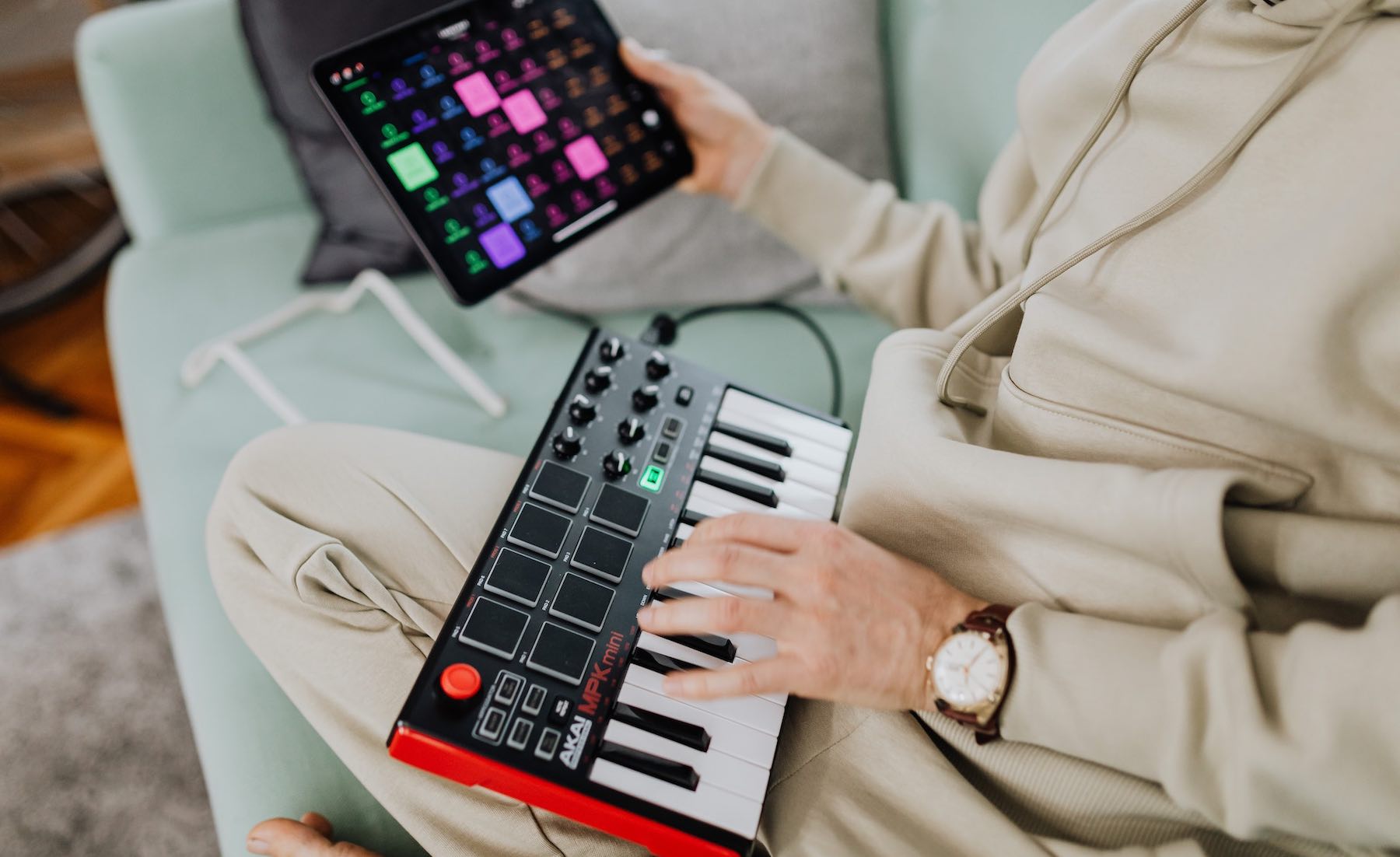
Electronic instruments like synthesizers, electronic drums, and digital keyboards are often easier to learn to play than traditional acoustic instruments. This makes them more accessible to people with physical limitations or little experience in music making.
Electronic instruments offer a wide range of sound possibilities and sound effects. This allows therapists and clients to adjust and manipulate sounds to achieve specific therapeutic goals. For example, creating relaxing ambient sounds or rhythmic beats can be beneficial for stress reduction.
Electronic musical instruments provide endless opportunities for sound manipulation and sound design. Young people can enjoy exploring these various sounds and soundscapes, which can develop their listening skills and musical sensitivity.
In general, making music provides a creative outlet to express feelings and ideas. It enables us to create our unique sonic world and channel our emotions through sound and melody, leading to a deeper awareness and a more robust self-image that enriches and adds meaning to existence.
Ancient Tradition
Music and sounds have had a healing effect on people for centuries and are often used as a form of therapy and self-expression. These healing effects can be explained in various ways:
- Emotional Expression: Music provides a powerful medium for expressing emotions. People can convey their feelings and moods through music, even when they struggle to describe their emotions in words. This aids in processing emotions and promoting emotional well-being.
- Stress Reduction: Listening to soothing music can reduce the levels of stress hormones in the body. Music can have a calming effect and help relax the mind, thereby reducing stress and anxiety.
- Pain Relief: Music therapy is often used to alleviate pain, especially in individuals suffering from chronic pain or recovering from surgeries. Music can distract from painful sensations and release endorphins, which are natural pain relievers.
- Mood Enhancement: Upbeat and uplifting music can improve mood and evoke positive emotions. It can help people feel happier and more relaxed.
- Enhances Cognitive Functions: Music can stimulate brain function and enhance cognitive skills such as concentration, memory, and creativity. This is why music therapy is often used in people with neurological conditions like Alzheimer’s disease.
- Social Connection: Making music together, such as singing in a choir or playing in a band, can strengthen social bonds and foster a sense of community. This contributes to people’s mental well-being.
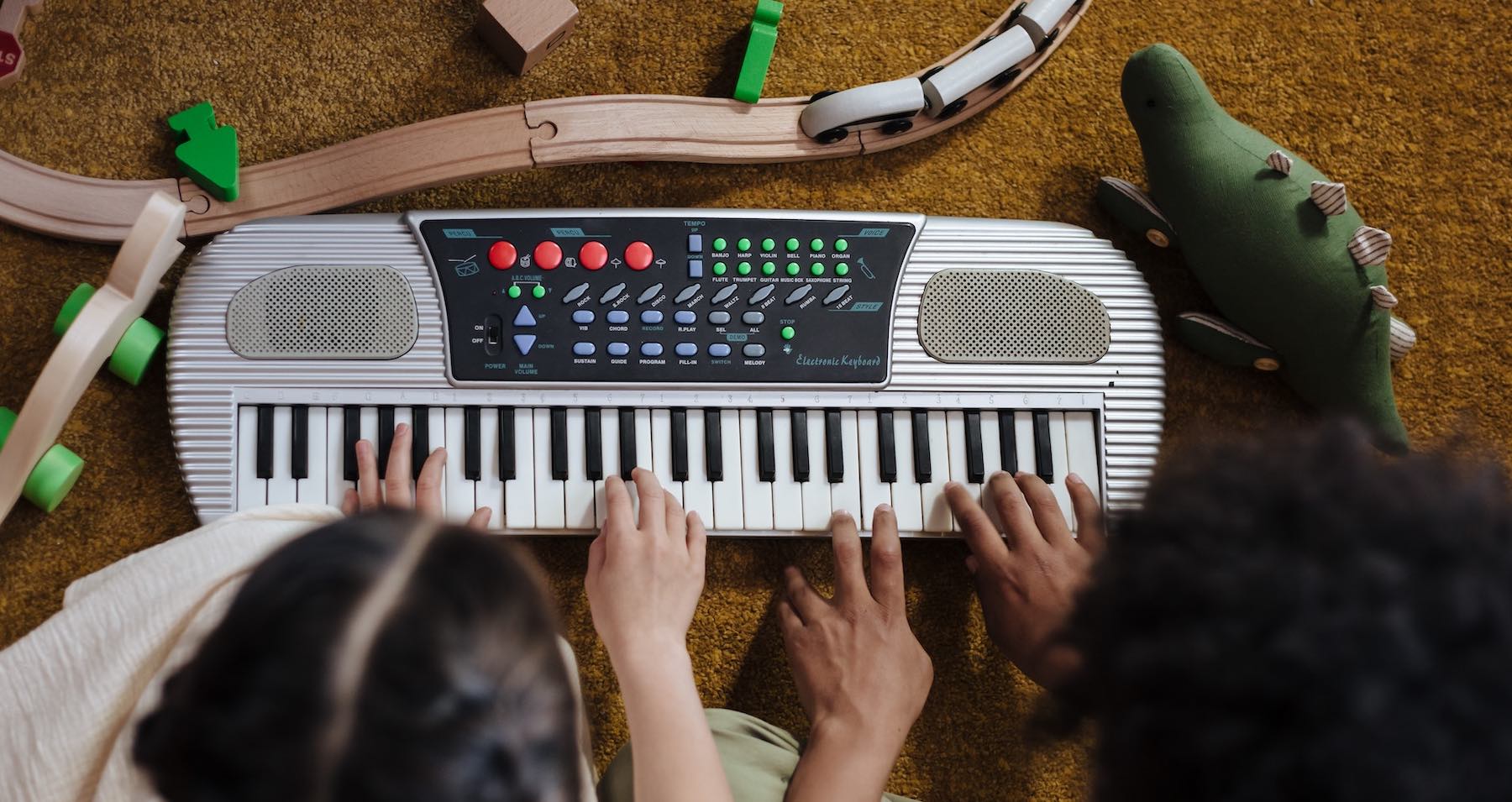
- Self-Expression and Communication: For some individuals, music can be a means of self-expression and communication, especially if they have difficulty communicating with words. This is particularly true for children with autism or people with speech and language disorders.
- Rhythm and Physical Coordination: Rhythmic music can help improve physical coordination and motor skills, which can be useful in physical therapy or in the treatment of motor disorders.
- Spiritual Healing: In many cultures, music is used as a means of spiritual healing and recovery. Rituals, mantras, and meditative music play a role in spiritual practices aimed at restoring harmony and balance in life.
Even in Western cultures, these forms are prevalent: healing through music is no longer a distant therapy, as more and more people are awakening to find a deeper meaning of our existence through this path.
— Note: The effects of making music on stress and burnout can vary from person to person. Some individuals may experience significant improvements in their well-being through music, while others may find more benefit in other forms of therapy or self-care. It is advisable to consult with a qualified healthcare provider if you intend to use music as a means to address stress and burnout.
Is a musical ear important?
Having a musical ear can certainly influence how someone experiences music and how they respond to it. A musical ear, also known as perfect pitch, refers to the ability to recognize and identify sounds based on their pitch without any reference. People with a musical ear, for example, can recognize specific notes or chords without any visual or contextual cues.
However, having a musical ear is not necessary to enjoy music or to be a talented musician. Many develop their musical skills through training and practice, regardless of whether they have perfect pitch or not. Musicality can be enriched and enhanced through music education and regular practice.
It’s also important to note that having a musical ear does not necessarily equate to a deeper emotional connection with music. Someone without perfect pitch can still deeply enjoy music and derive profound emotional and psychological benefits from it. After all, music has a universal appeal that goes beyond the technical aspects of ear training.
October , 2023


0 Comments